Keep the material requirements in view
Start with the polymer and the conditions it needs to handle. Fillers, reinforcement and limits on formulation changes matter both to the application and to how the material responds to heating.

Application / Oil & Gas
When failure is not an option, trusted materials, known design values and early fault detection are a must.
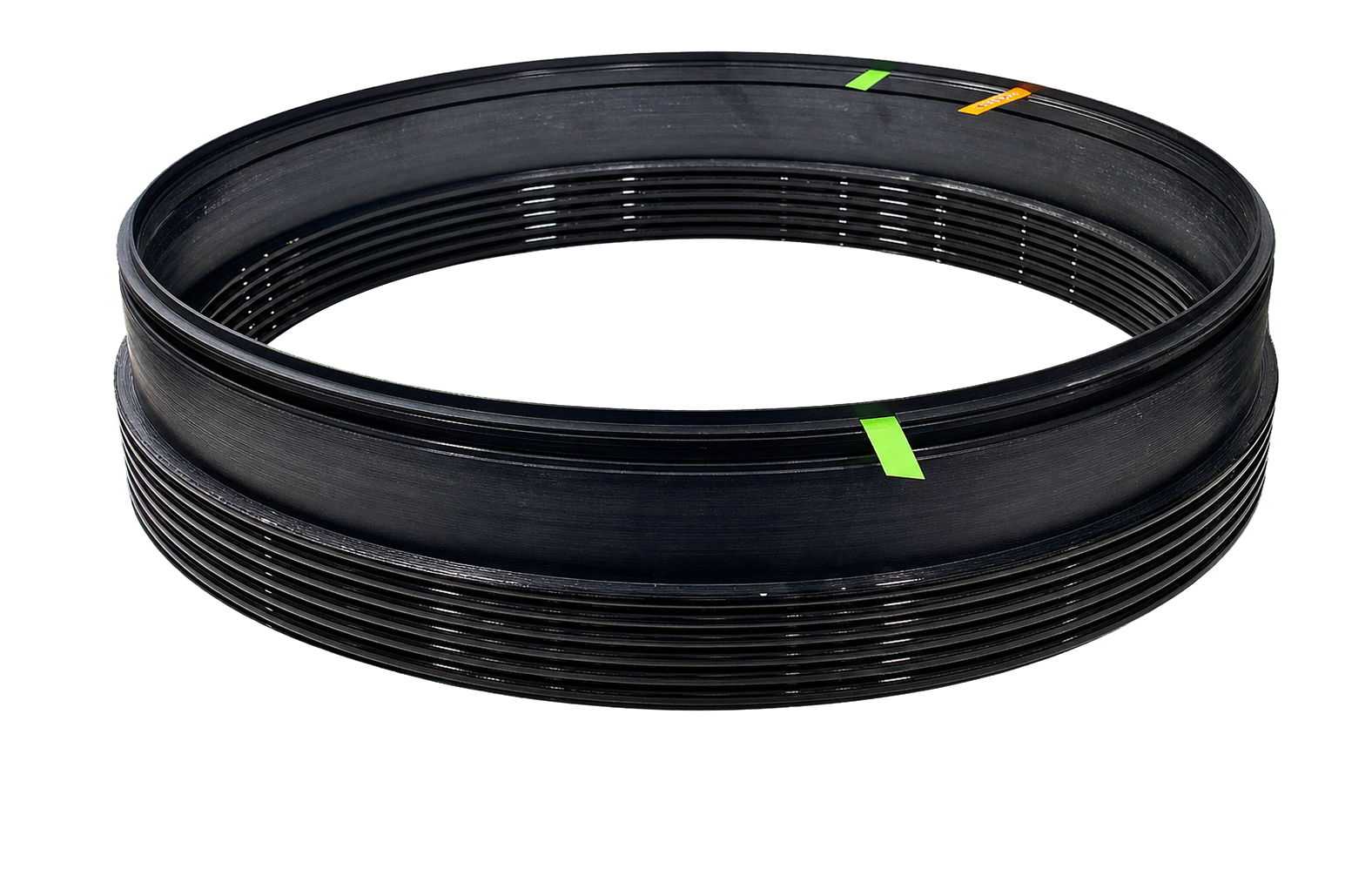
From material choice to finished component
Start with the polymer and the conditions it needs to handle. Fillers, reinforcement and limits on formulation changes matter both to the application and to how the material responds to heating.
Keep the material specification your component was designed around. With unreinforced polymers and high-quality, pore-free extrusion, DEMEX can achieve isotropic mechanical properties at the level of compression-molded bulk material. That gives you a route to the performance you already expect from that polymer.
Recorded numerical temperature values help your team spot outliers early in production, before costly machining, finishing and QA. Investigate unusual runs sooner and put your time into the parts that are on track, improving the whole route from pellet to finished product.
Tell us the material grade, service conditions and dimensions that matter. We can then discuss where layer adhesion or retained heat is limiting the print and what a useful trial would look like.
Suitability for service has to be established for the component. Thermal control is one part of making and validating it.
Tell us about your process