01More freedom for larger tools
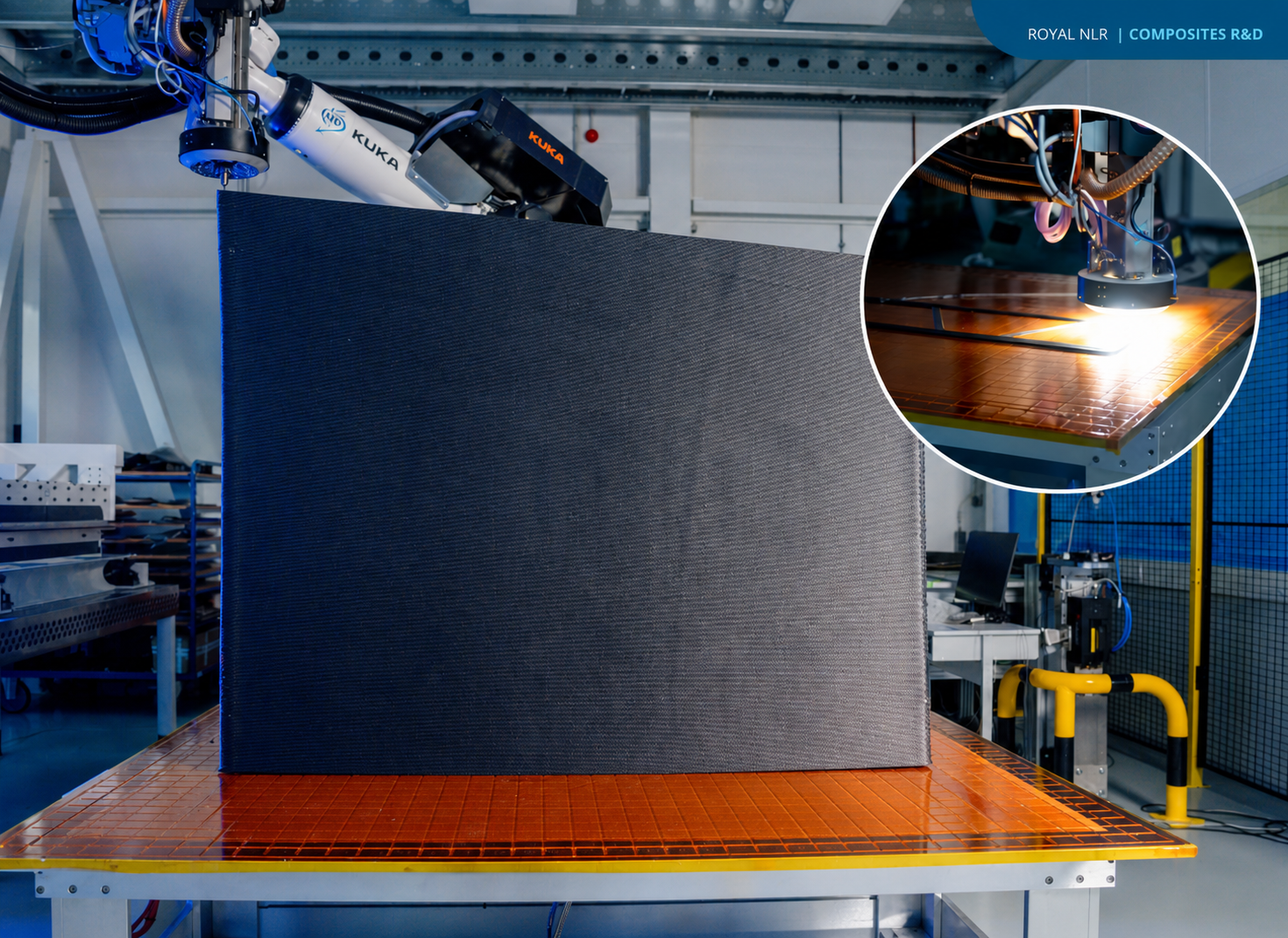
Longer paths mean more time for a layer to cool. DEMEX reheats the surface before the next bead arrives, enabling larger molds and longer layer times. That gives you more freedom to design around the tool’s use and handling.
02Built for handling and demolding
Lifting, clamping and demolding put forces into a tool on every production cycle. Weak layer bonds can become the point where cracks begin. Stronger bonds help the tool withstand those loads through repeated use, so you can get more from the tool you have made.
03Pause when the job calls for it
You can stop a print and resume it later. Machine inner surfaces while they are accessible, add inserts or wiring, inspect the part, or take a break between shifts or days. DEMEX reheats the surface when you restart, so these steps can become part of the build.